by Krystal Ness, Guest blogger
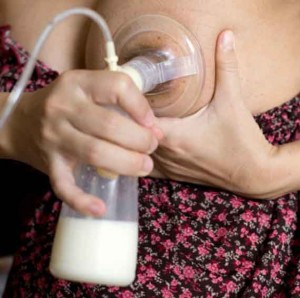
Hi, I'm Krystal! I have two children (4 yr old girl and 1 yr old boy). I was unable to breastfeed my first due to a low supply, so I was adamant about making it work with my second baby. From the beginning things were phenomenal! He latched on right away and for the majority of our nursing relationship things went smoothly. I work outside of the home, so pumping was a daily activity for me (nurse when I was home and pump at work).
When my littlest was 10 months old I took a business trip for 2 full weeks. I was so nervous about all things breastfeeding that I was literally nauseated while sitting at the gate waiting to board. Would my baby take the frozen milk I pumped? Would we have enough for the full 2 weeks? Would I be able to find the time and room to pump while away from my baby? Would my supply go down because he's not latching? How do I get my milk back home after I pump it? This was no easy trip either. I was going to Hawaii -- thousands of miles away from my little boy.
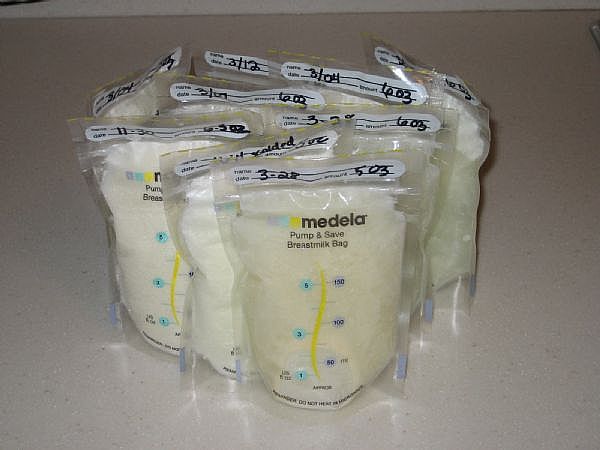
The trip out there was long, but after I got settled into my condo I got into a rhythm pumping before work, at work, and after work each day. I felt like that was all I was doing. The place I was working did not have a room that I could use so I either pumped in the bathroom (making sure I was sanitary) or I pumped in my rental car. After nearly 2 weeks I had about 200 oz. of frozen milk. During my trip I called FedEx and UPS to find out how to ship my milk. I was so disappointed to find out that the quickest they could get it to Alabama was 48 hrs. I thought there was no way to get my milk home. I had spent countless hours during this trip pumping, remembering why I spent the time and effort to pump, and my hopes that he would be nourished with it were dashed. I was in tears. I couldn't fathom throwing away that much milk.
The only option I had was to check my milk with my luggage. I remember being so incredibly nervous walking up to the check-in counter. "Do you have any explosives, firearms, or flammable material in this cooler?" No. Phew! "If you don't mind me asking what is in this cooler?" Frozen Breastmilk. My inner self winced as I wondered whether she would have a problem with this, but her response was as if it was completely normal that I was traveling with my own milk from Hawaii to Alabama. I was home free. The only thing I worried about after that point was whether or not my luggage would get lost. Standing at the Huntsville Airport waiting for the cooler I heard the ding of the luggage belt. Within 30 seconds I saw my box crest over the luggage conveyor! It made it! When I got home, the milk was still completely frozen. Pumped with love in Hawaii. :-)

During my trip, after determining I had to check a cooler, I searched online for the best way to accomplish packing, but I found very few resources. I purchased a cooler on Amazon, meant specifically for shipping food. I purchased techni-ice and blue gel icepacks. I filled the cooler completely full with as little space as possible. I taped (using duct tape) around the top and sides of the cooler to ensure the lid would stay shut. I put the cooler in a box of the same size (mine came with the cooler). I labeled the box BREASTMILK and added my address and phone number in case something went wrong and then I put the whole package in another box.
While I was gone, we did actually end up using donated milk for about 3-4 days. A close friend of mine who pumps for the Milk Bank brought some over for my husband when he was close to running out of my own stash. She even offered to wet nurse him. I have used every single means possible to feed my baby breastmilk. Nursed, Pumped, and Donated Milk! I wish I had these friends and community resources earlier with my first baby!
I want to share
my story in hopes that other working moms gain hope that even a business trip doesn't need to end a nursing relationship. We truly can meet the needs of our children while accomplishing our own dreams.